
The best two-player board games reward thinking ahead, and the classics — chess, checkers, backgammon, and Go — have lasted centuries for good reason. Each offers deep strategy with simple rules, so two players can enjoy a quick game or a lifetime of study.
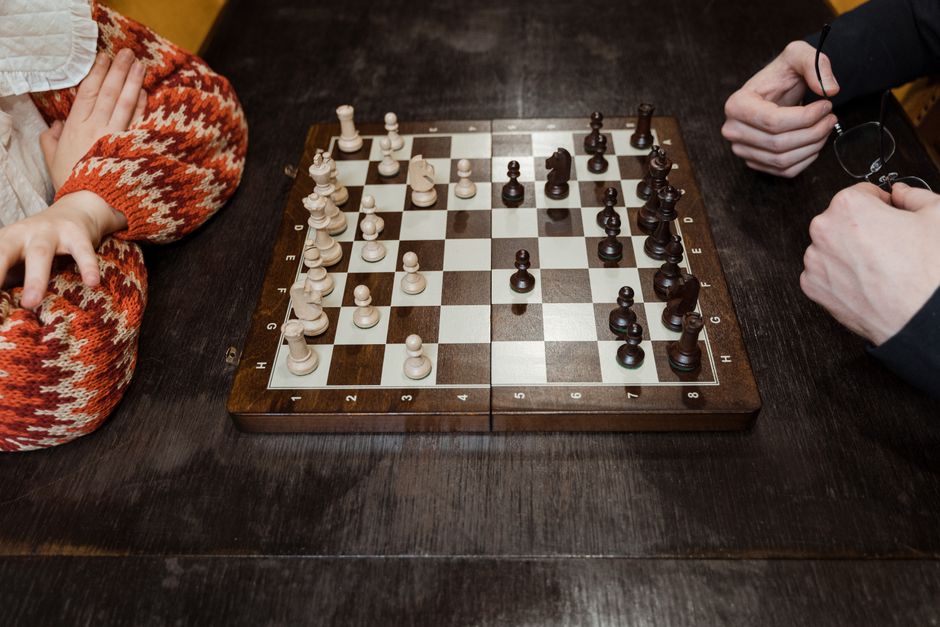
Chess
Chess is the deepest classic of all: pure strategy, no luck, and endless variety. Every piece moves differently, and the goal is to trap the enemy king. It is the most studied board game in history and rewards planning several moves ahead.
If you want the greatest depth with no dice, start with chess.
Checkers
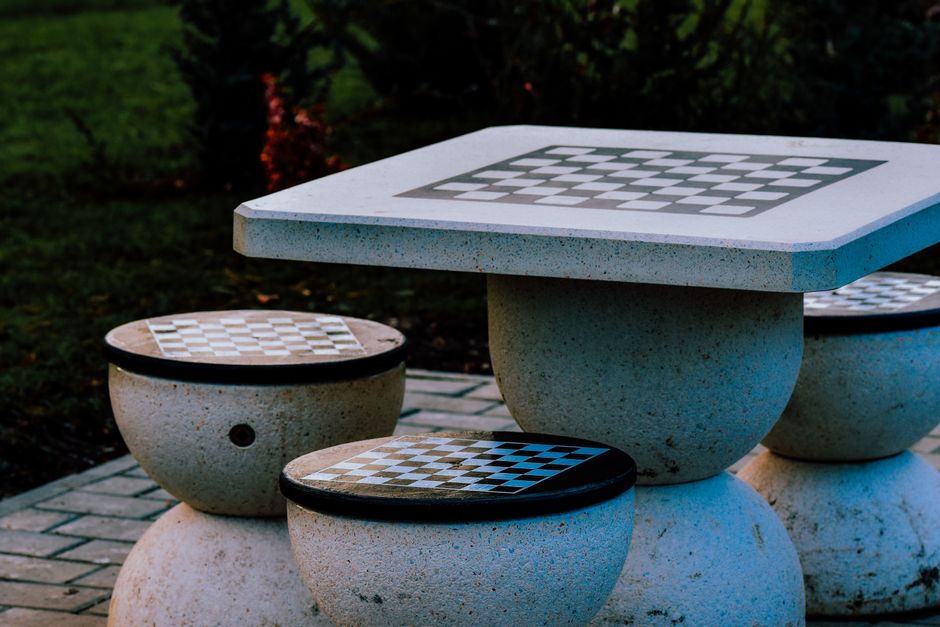
Checkers (draughts) is simpler than chess but far from shallow. With one type of piece and forced-jump rules, it is easy to learn in minutes yet hard to master, making it perfect for casual games that still reward skill.
Backgammon
Backgammon adds dice, blending luck and strategy. The randomness keeps every game fresh and gives weaker players a chance, while skilled players win over the long run by playing the odds well.
| Game | Luck? | Learning time |
|---|---|---|
| Chess | None | Minutes to learn, years to master |
| Checkers | None | Minutes |
| Backgammon | Dice | Minutes |
| Go | None | Minutes to learn, a lifetime to master |
Go
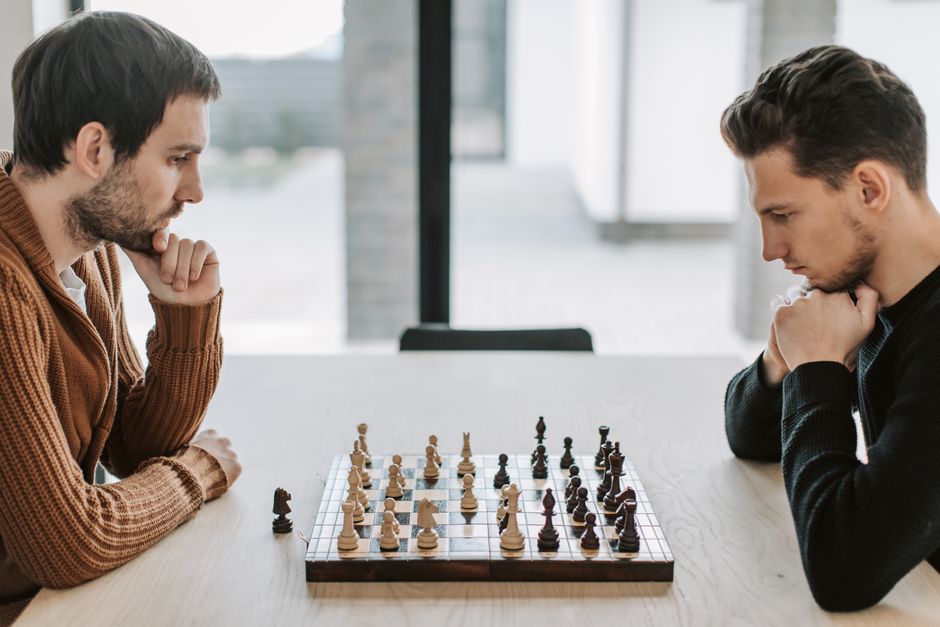
Go looks the simplest — place stones, surround territory — but is considered by many the deepest strategy game ever made. Its huge board creates more possibilities than chess, and it rewards patient, big-picture thinking.
Tip: if chess feels too tactical for you, try Go. It trades sharp calculation for territory and influence, a very different kind of strategy.
How to choose
Pick by taste:
- Want pure strategy? Chess or Go.
- Want something quick and easy? Checkers.
- Want luck to keep it exciting? Backgammon.
Any of these gives two players hours of thoughtful fun with almost no setup. Start with the one that sounds most appealing — the rules are simple, and the depth reveals itself the more you play.