
Mancala is not one game but a whole family of ancient "sowing" games played across Africa, Asia, and beyond for thousands of years. Kalah is the version most Westerners know, but Oware, Bao, and dozens of others share the same basic idea while differing in board size, capture rules, and depth.
Here is a tour of the most important variations.
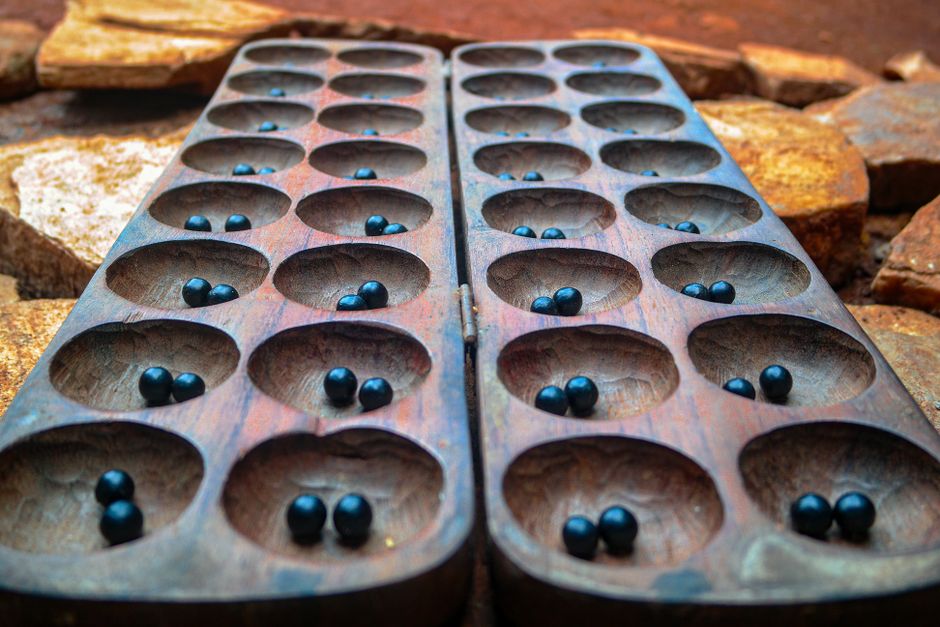
What they all share
Every Mancala game uses the same core mechanic: you pick up the stones from one pit and "sow" them one by one into following pits, then apply capture or free-turn rules based on where the last stone lands.
The sowing motion is universal — what changes is the board and the rules around capturing.
Kalah — the Western standard
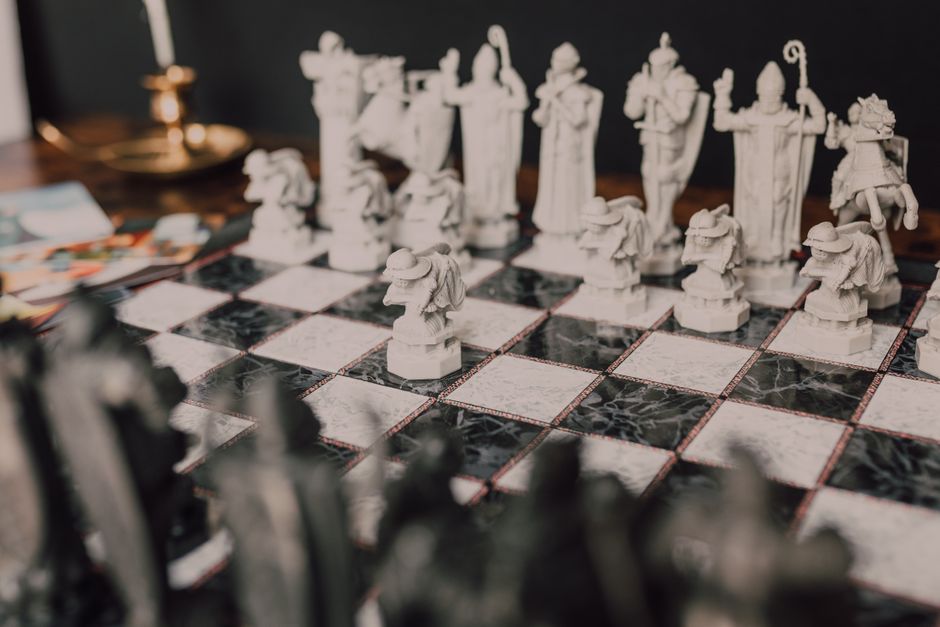
Kalah is the commercial version sold in most stores, usually with a two-row, six-pit board and a store on each side. Its free-turn and capture rules make it beginner-friendly and quick to learn, which is why it is the most common introduction to the family.
Oware — the West African classic
Oware (also spelled Awari) comes from West Africa and is a deep, respected game.
| Feature | Oware |
|---|---|
| Board | Two rows of six pits |
| Capture | Landing on pits with two or three stones |
| Depth | Very high — studied like chess in some regions |
Oware is played competitively and considered one of the most strategic games in the family.
Bao — the East African challenge
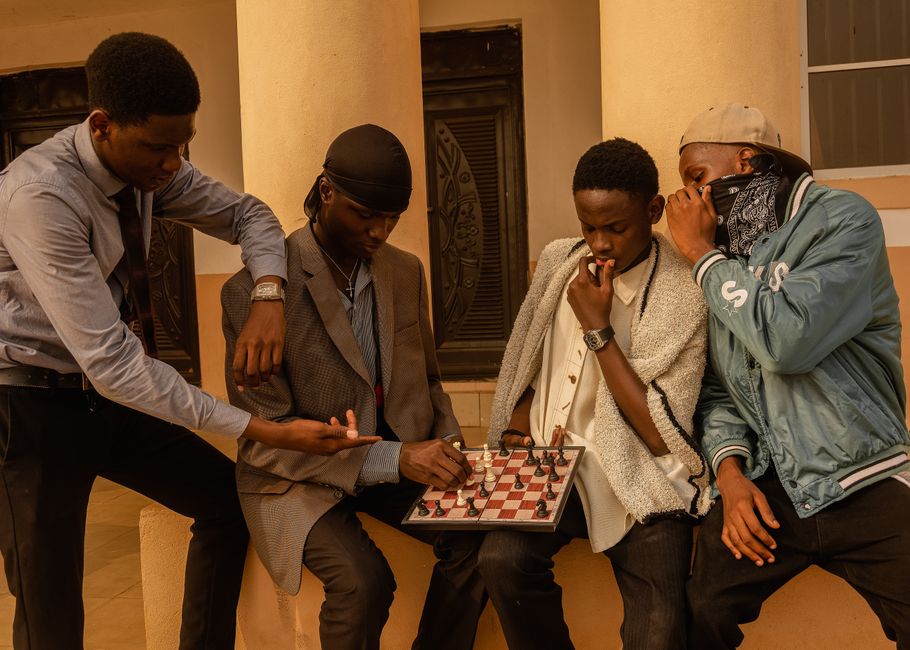
Bao, played in East Africa, is often regarded as the most complex Mancala variant. It uses a larger four-row board and intricate rules, and mastering it takes years. Skilled Bao players are highly respected in the regions where it is popular.
Note: if you enjoy Kalah and want more depth, Oware is the natural next step. If you crave a serious lifelong challenge, Bao is the Mancala world’s equivalent of deep-end chess.
Why the family endures
Mancala games are among the oldest known board games, and they survive because they need almost nothing to play — a board scooped in the dirt and some seeds or stones will do. That simplicity, combined with real strategic depth, has kept them alive across continents and centuries.
Start with Kalah to learn the sowing mechanic, then explore Oware or Bao to see how far the idea can go. Whichever you choose, you are playing a piece of living history — a game connecting you to players from thousands of years ago.