
The ko rule in Go forbids a player from immediately recapturing a single stone in a way that repeats the exact previous board position. It exists to stop two players from capturing the same point back and forth forever, and it turns one small square into some of the game’s tensest fighting.
Ko means "eternity" in Japanese, a fitting name for a shape that would otherwise loop endlessly. Once you recognize the pattern, you can use it as a weapon rather than a nuisance.
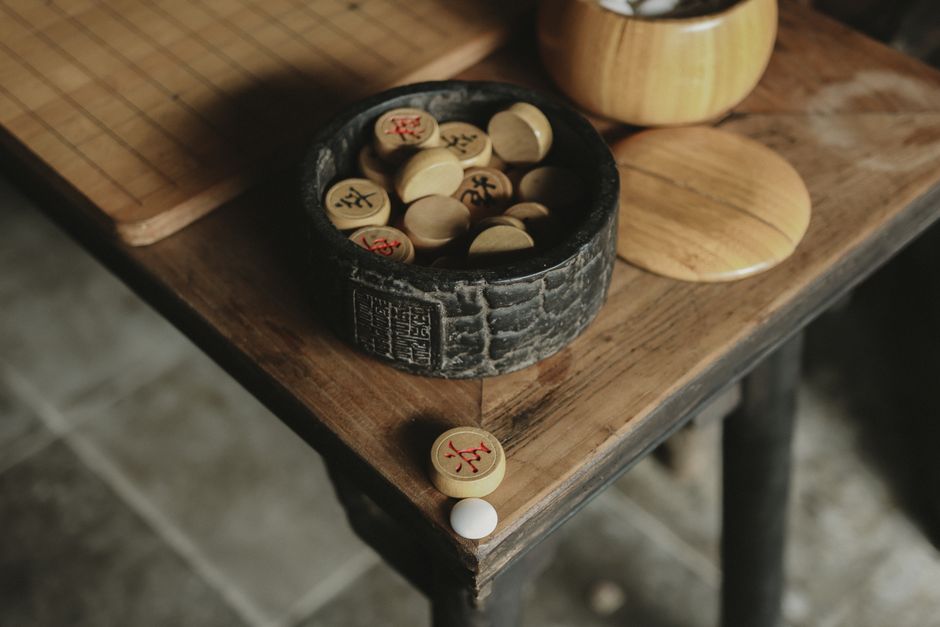
What a Ko Looks Like
A ko arises when a single stone captures a single stone, leaving a position where the just-captured point could be retaken at once. Without a rule, both players would recapture repeatedly and the game would never move on.
The rule says you must play somewhere else before recapturing in that same spot. Your opponent gets one turn to either defend the ko or ignore it, and only after an intervening move may you take the ko back.
Spotting a ko early matters because it changes how you value nearby stones:
- Watch for a lone stone capturing a lone stone.
- Check whether the emptied point could be recaptured immediately.
- If yes, confirm that recapture would repeat the prior position.
- Recognize that the recapturing side must play elsewhere first.
- Treat the ko point as contested and start hunting for threats.
Not every recapture is a ko. If retaking captures more than one stone or does not recreate the earlier board, normal rules apply and you can take freely.
Ko Threats and Fighting
Because you cannot immediately retake, you play a ko threat, which is a move elsewhere that demands an urgent answer. If your opponent responds to the threat, you may then recapture the ko.
A ko is won by whoever runs out of threats last or decides the ko is worth more than the threats being played. Each threat should cost the opponent real points if ignored, otherwise they will simply resolve the ko and take the prize.
| Term | Meaning |
|---|---|
| Ko threat | A move elsewhere forcing a reply |
| Taking the ko | Recapturing after a threat is answered |
| Filling the ko | Ending it by connecting the point solidly |
| Ko fight | The exchange of threats and recaptures |
Count your ko threats before starting the fight. Entering a big ko with fewer threats than your opponent usually means handing them the win and the surrounding territory.
The value of a ko is the swing between winning and losing it, and that swing decides whether a threat is big enough. A threat worth less than the ko itself will simply be ignored.
Judging Whether a Ko Is Worth Fighting
Not every ko deserves a fight. Before you start throwing threats, weigh the size of the ko against the state of the rest of the board, because a ko that decides only two or three points is rarely worth a long exchange.
The right time to fight a ko is when winning it swings a large group’s life or a big chunk of territory. Small kos are usually resolved quietly by connecting, saving your threats for a moment that truly matters. A ko over the life of a twenty-stone group, by contrast, can decide the whole game.
Timing your ko threats is an art of its own. Each threat you spend is gone once answered, so play your largest threats first while keeping smaller ones in reserve. If you run out before your opponent, they simply resolve the ko and pocket the prize.
There is also a hidden cost to sente. Every ko threat forces your opponent to respond, but it also uses up your own move, so a threat that gains little while your opponent’s answer gains a lot can quietly lose points even as you win the ko. Count both sides of each exchange, not just whether the threat is answered.
Ko Threats as Bargaining Chips
Every unresolved threat on the board is a potential ko threat, which means a ko turns your whole position into a bank of bargaining chips. Knowing how many big threats you hold, and how many your opponent holds, shapes whether you should even begin.
Count your threats before the fight and remember that some moves are threats for both players, which can cancel out in an exchange. A threat your opponent can answer with a move that is itself a threat back at you gains nothing, so only threats that force a passive reply truly count.
The size of each threat matters as much as the number. A large threat that would cost your opponent twenty points if ignored is worth far more than a handful of small ones, and you should lead with your biggest so a bluff is never called cheaply.
There is a strategic reason to avoid resolving certain positions early. Leaving a group with a slight weakness preserves it as a future ko threat, a hidden resource you can spend when a ko finally breaks out. Skilled players guard their threats like currency, spending small ones freely but saving the game-deciding ones for the ko that matters most.
Types of Ko and Practical Advice
Not all kos carry equal weight. A direct ko is a simple one-stone fight, while multi-stage kos and the dreaded triple ko can even end games in a draw under some rules.
Some kos are picnic kos, where one side risks little and the other risks everything. If you are on the safe side of a lopsided ko, fight aggressively because losing costs you almost nothing.
Positional superko rules extend the basic ko rule to ban any repetition of a whole-board position, not just the single point. Most beginners never meet this edge case, but online servers enforce it automatically, so a move that recreates an old position may simply be refused.
For everyday play, remember the core loop: capture, get blocked, play a threat, wait for the answer, then recapture. Practice recognizing kos in your own games and you will start creating them on purpose, using ko threats to swing points you could never win in a straight fight.